

Cultural perceptions of gambling how beliefs shape behavior and choices
The Role of Culture in Shaping Gambling Perceptions
Cultural attitudes towards gambling significantly influence individual behaviors and choices. In societies where gambling is viewed as a social activity, such as in many Asian cultures, individuals often partake in gambling as a form of entertainment that strengthens communal bonds. For those looking for an added boost, using a Shuffle promo code can enhance their experience. Conversely, in cultures that associate gambling with moral decline or irresponsible behavior, participation rates tend to be lower, and negative stigma often surrounds those who gamble. These cultural nuances highlight the diverse perspectives on gambling, which can vary widely from one region to another.
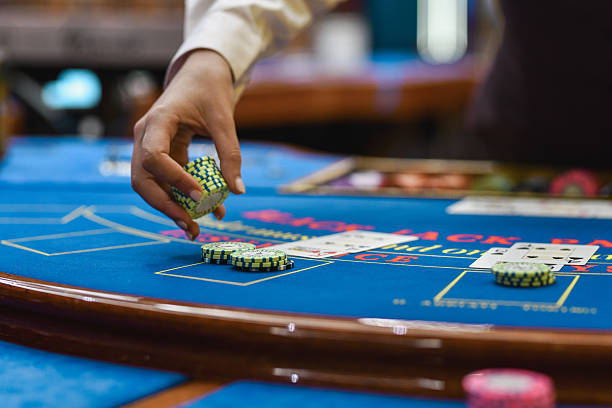
The impact of culture is further evident in how gambling is integrated into festivities and rituals. In some cultures, games of chance are interwoven with traditional celebrations, reinforcing positive perceptions of gambling. For instance, during Chinese New Year, gambling games like mahjong are popular and often encouraged as a way to bring good fortune. This cultural endorsement helps frame gambling as a celebratory activity rather than a vice, affecting how individuals engage with gambling in their daily lives.
Additionally, historical context plays a vital role in shaping these perceptions. Regions with a long-standing tradition of gambling often have established regulations and social norms that support the practice. On the other hand, areas with a history of gambling prohibition may still grapple with the residual stigma associated with the activity. Understanding these cultural narratives is essential for comprehending how beliefs influence gambling behavior across different societies.
The Influence of Religion on Gambling Behavior
Religious beliefs can profoundly impact individuals’ perceptions of gambling. In many faiths, gambling is perceived negatively, associated with greed, waste, or moral corruption. For example, in Islam, gambling is explicitly prohibited, leading to a cultural landscape where gambling is largely absent in Muslim-majority countries. This prohibition affects not only individual choices but also the legal framework surrounding gambling establishments in these regions.
Conversely, certain cultures may view gambling through a more lenient lens, often seeing it as a test of fate or a way to gain fortune. This is particularly evident in cultures influenced by certain interpretations of Christianity, where some believers may participate in games of chance with the understanding that outcomes are determined by divine providence. These varying religious views create a complex interplay between faith and gambling, guiding behaviors and shaping choices in unique ways.
The intersection of religion and culture around gambling also influences legal regulations. In societies where religious doctrine strongly opposes gambling, laws are often stricter, reflecting the collective beliefs of the community. Understanding these religious underpinnings allows for a broader comprehension of why gambling is embraced or avoided in different cultures.
The Psychological Aspects of Gambling Choices
Psychological factors also contribute significantly to gambling behavior, often influenced by cultural perceptions. Cognitive biases, such as the illusion of control, can lead individuals to believe they can influence gambling outcomes, reinforcing participation despite unfavorable odds. These biases are often shaped by societal narratives around luck and chance, where winning stories are celebrated, and losing experiences are minimized, leading to a skewed perception of gambling’s reality.
Moreover, the social environment can amplify these psychological effects. Individuals may be more likely to gamble if their friends and family engage in the activity, creating a sense of normalcy around gambling behaviors. This social reinforcement often perpetuates cycles of gambling, especially in cultures that celebrate wins and downplay losses. Over time, these shared beliefs can lead to collective attitudes towards gambling that further cement its place in the cultural landscape.
Understanding the psychology behind gambling also necessitates acknowledging the role of mental health. In some cultures, gambling may serve as an escape from stress or societal pressures, leading individuals to gamble more frequently. This behavior can be exacerbated in environments that do not openly discuss mental health issues, further complicating the relationship between gambling and psychological well-being. The multifaceted nature of these interactions reveals a complex network of influences that shape gambling behaviors.
Economic Factors in Cultural Gambling Attitudes
Evolving economic conditions can play a pivotal role in shaping cultural attitudes towards gambling. In areas where economic instability prevails, gambling may be viewed as a potential solution for financial hardship. This perspective can lead to increased gambling participation, especially in marginalized communities seeking quick monetary gain. Thus, gambling becomes intertwined with hopes for economic improvement, influenced by prevailing cultural narratives that frame it as a viable option.
Conversely, in wealthier societies, gambling might be perceived as a luxury or entertainment rather than a necessity. Cultural attitudes in affluent regions often emphasize responsible gambling as a form of leisure, promoting regulations that foster safe gambling environments. This economic context helps in understanding how perceptions of gambling differ based on financial standing and the overall economic health of a society.
Additionally, the legal and regulatory landscape surrounding gambling is heavily influenced by economic factors. Regions that recognize gambling as a potential source of revenue often implement regulatory frameworks that both encourage and control gambling activities. This approach highlights the intersection of economic interests and cultural attitudes, illustrating how beliefs about gambling can be shaped by both profit motives and community values.

Exploring More on Cultural Perceptions of Gambling
At Activeness.co.uk, we recognize the complexities surrounding cultural perceptions of gambling and how they influence individual behavior and societal norms. Our platform provides in-depth insights into various lifestyle topics, including the intersection of culture, psychology, and economics in gambling practices. By fostering informed discussions, we aim to empower our readers to explore the multifaceted world of gambling and its implications on health and wellness.
Through our dedicated articles and resources, we encourage a balanced understanding of gambling, considering both its cultural significance and the potential risks involved. By offering diverse perspectives, we hope to inspire individuals to engage with the topic thoughtfully, promoting responsible and informed choices. Explore our content to gain a deeper understanding of how cultural beliefs shape behaviors and choices in various aspects of life.